
 Date:
Date: Time:
Time: Location: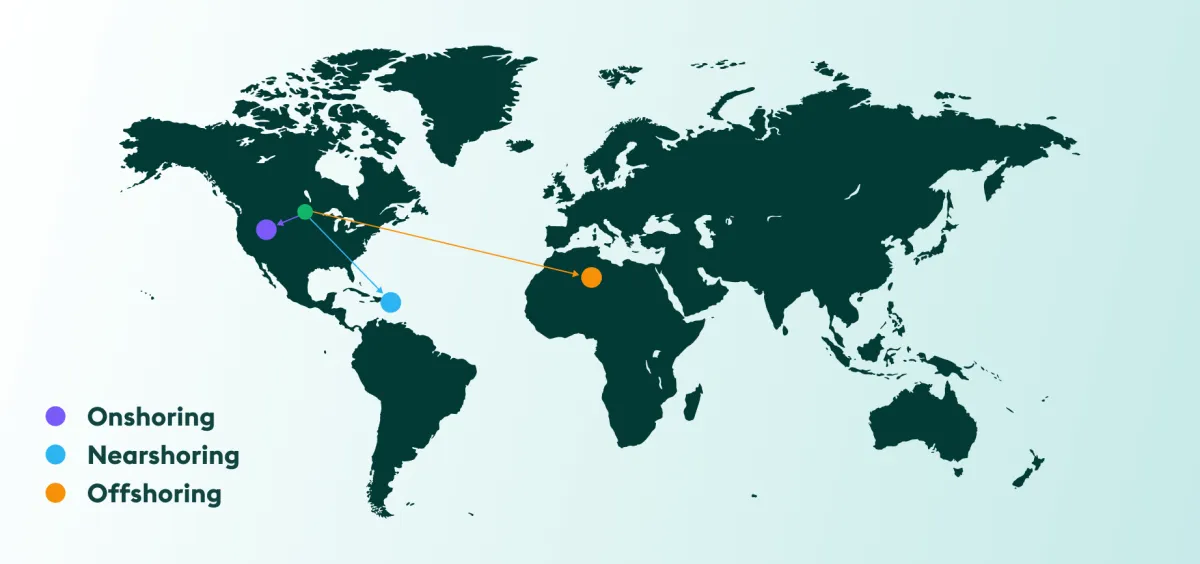
Session Description:
Asian textile and apparel manufacturers are entering a period of profound transformation. While Asia continues to dominate global production, the rapid rise of nearshoring and regional sourcing strategies, particularly among European buyers, poses both a challenge and an opportunity. Increasing geopolitical uncertainty, logistics disruptions, sustainability pressures, and the demand for shorter lead times are driving buyers to reassess sourcing distances and rebalance their supplier portfolios.
This session will provide a strategic and forward-looking assessment of the challenges facing Asian manufacturers and, critically, will focus on how Asia can reposition itself in a world where nearshoring is gaining momentum. Rather than viewing nearshoring as a zero-sum threat, the discussion will explore how Asian manufacturers can adapt their business models, deepen partnerships, and integrate themselves into hybrid global sourcing strategies.
The session will emphasize that the future belongs to manufacturers who evolve from being cost-driven suppliers to strategic, solution-oriented partners - capable of complementing nearshoring destinations rather than being displaced by them.
Key Discussion Areas:
• The rise of nearshoring in Europe and its impact on Asian sourcing volumes
• Why nearshoring will coexist with, not fully replace, Asian sourcing
• Lead-time pressure, flexibility, and speed as critical differentiators
• Logistics, inventory planning, and regional distribution strategies
• Sustainability, carbon footprint concerns, and compliance expectations
• Shifting buyer behavior toward diversified, risk-balanced sourcing models
Strategic Focus – How Asian Manufacturers Should Respond:
• Reposition Asia as a long-term strategic sourcing base for scale, consistency, and value-added production
• Integrate with nearshoring models by supplying yarns, fabrics, semi-finished goods, and raw materials to nearshoring destinations
• Invest in speed and agility, including faster sampling, digital product development, and flexible production planning
• Strengthen buyer partnerships through long-term contracts, design collaboration, and shared forecasting
• Leverage sustainability leadership to counter distance-based sourcing arguments
• Adopt multi-market strategies, balancing Europe, North America, and emerging markets
Key Outcome:
A clear strategic roadmap for Asian textile and apparel manufacturers to remain indispensable in global sourcing, even as nearshoring reshapes buyer behavior.